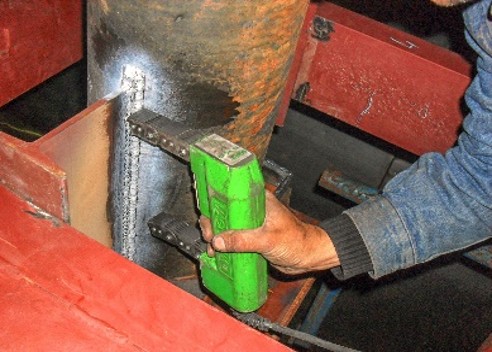
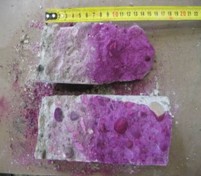
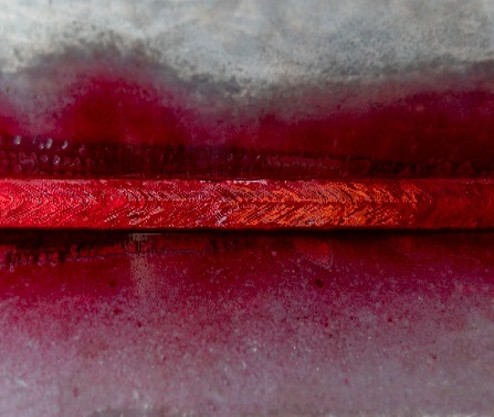
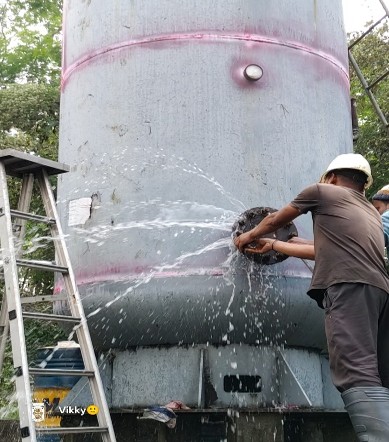
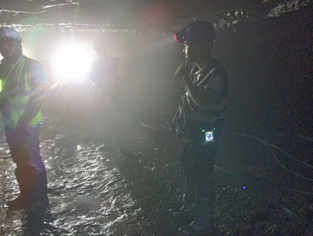
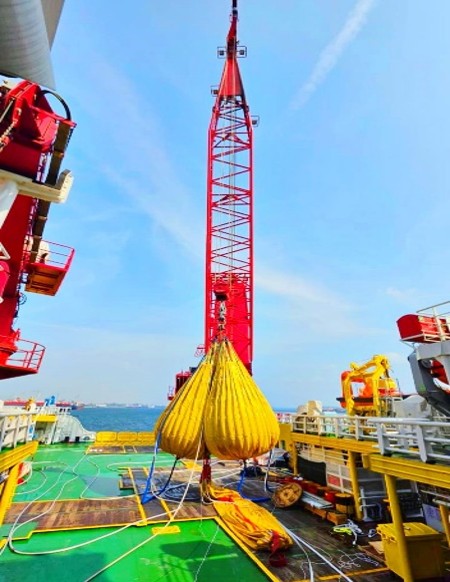
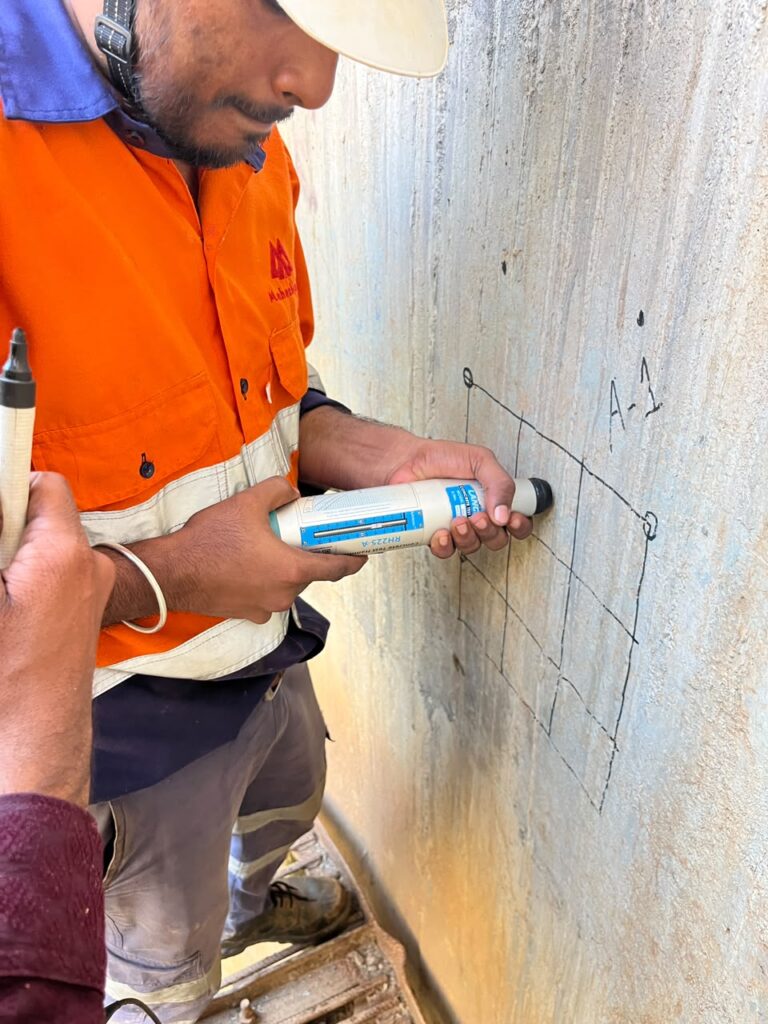
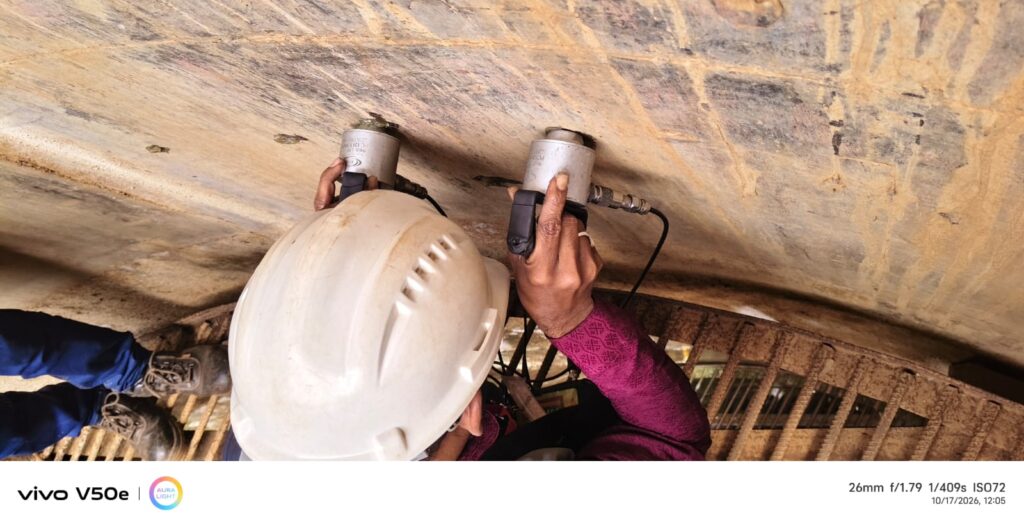
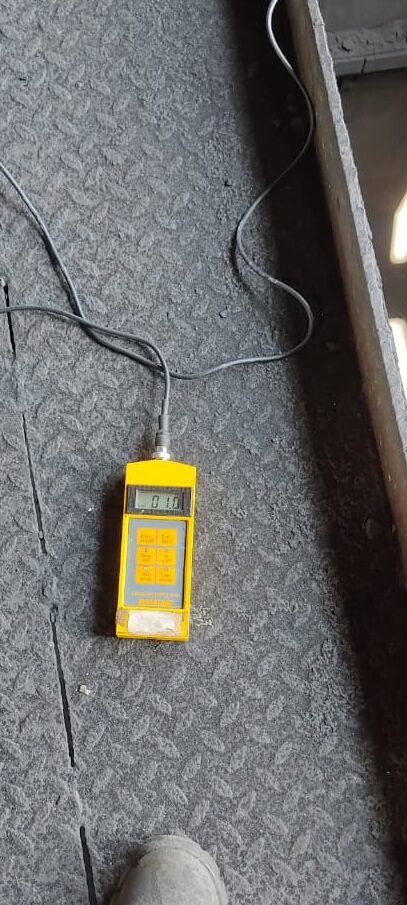
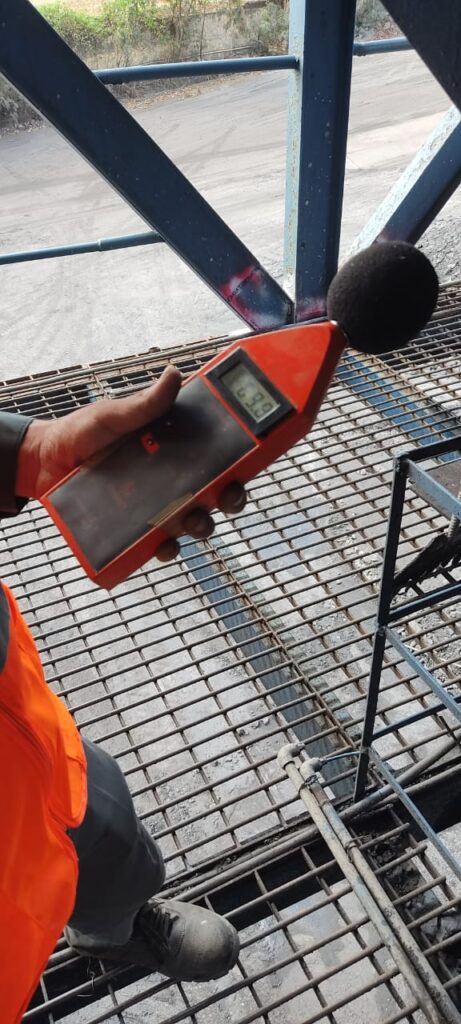
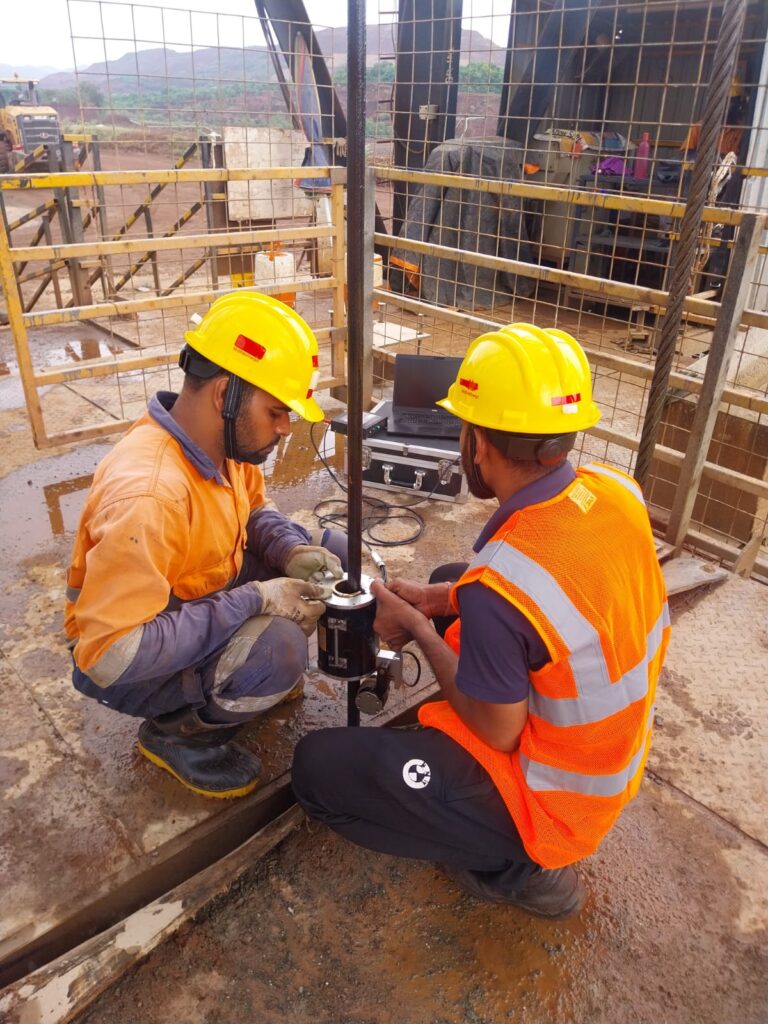
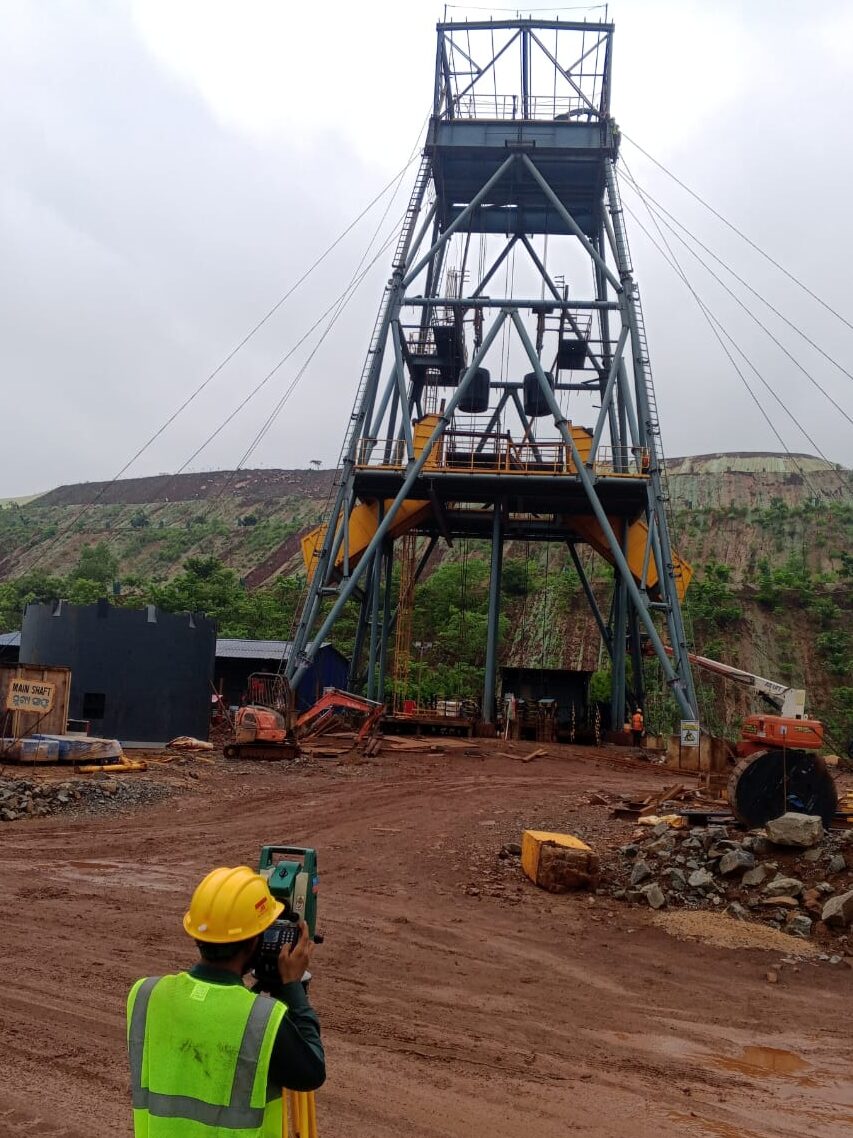
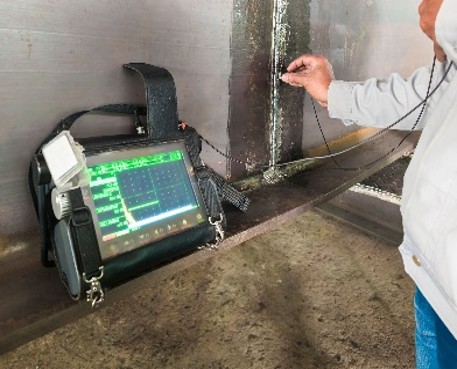
Magnetic Particle Testing (MPT or MT) is a fast, relatively inexpensive non-destructive testing method used to detect surface and slightly subsurface flaws in ferromagnetic materials (materials that can be magnetized, like iron, nickel, and steel).Carbonation test is a simple, highly effective chemical test used to determine whether the protective alkaline environment of concrete has been compromised by atmospheric carbon dioxide.Liquid Penetrant Testing (PT or LPI) is a highly versatile, low-cost non-destructive testing method used to detect surface-breaking defects in all non-porous materials.Pressure vessels—such as boilers, chemical reactors, and storage tanks—contain liquids or gases at pressures significantly higher than the ambient atmosphere. Because a failure can be catastrophic, they are subject to strict manufacturing standards (like ASME Section VIII) and require rigorous testing before entering service and during their operational lifespan.DIESEL PARTICULATE MONITORING Deploying the DPM in a heavily polluted environment immediately establishes a high-resolution baseline of ambient soot and hazardous gas concentrations. The device’s optical sensors must actively filter out dense, non-combustion background dust to isolate and accurately measure sub-micron diesel particulates. Real-time telemetry tracks sudden pollution spikes dynamically as heavy machinery operates, providing instantaneous feedback on changing air quality. Tri-color visual and vibrating alarms trigger immediately to alert workers the moment short-term exposure limits (STEL) are breached. Continuous data logging captures these extreme exposure events, creating a precise audit trail to evaluate if current ventilation controls are actually effective.Proof load testing is a controlled, non-destructive test where a piece of equipment or a structure is subjected to a load that exceeds its normal Safe Working Load (SWL) or Working Load Limit (WLL). The goal is to “prove” that the equipment can safely perform its intended job without yielding, deforming, or failing.The Rebound Hammer Test (often called the Schmidt Hammer test) is a rapid, non-destructive test used primarily to assess the surface hardness of concrete. Engineers use this hardness data to estimate the concrete’s compressive strength and to check for uniformity across a large structure without needing to drill core samplesUltrasonic Pulse Velocity (UPV) testing is a non-destructive technique used to evaluate the quality, uniformity, and internal integrity of building materialsVibration Analysis is a cornerstone of condition monitoring and predictive maintenance. While methods like UT or MPT look for static physical cracks in stationary metals, vibration analysis “listens” to the dynamic movement of rotating machinery (motors, pumps, gearboxes, turbines) while they are running to detect mechanical wear long before it causes a breakdownSound Level Testing is performed to measure and evaluate workplace noise exposure using calibrated Sound Level Meters and Noise Dosimeters. The assessment determines parameters such as Leq, Lmax, Lmin and Peak Sound Pressure Level (SPL) to quantify noise intensity. Testing is conducted as per applicable standards to assess regulatory compliance and evaluate occupational noise exposure risks.Magnetic Flux Leakage (MFL) Testing is the primary non-destructive testing method used to inspect steel wire ropes, such as those found in elevators, mining hoists, cranes, and suspension bridgesDeflection by Total Station to measure deflection is a highly precise, non-contact surveying method. Instead of placing physical gauges directly under a structure, engineers use a total station to shoot laser or infrared beams at targets to track microscopic movements in 3D spaceUltrasonic Testing (UT) While ultrasonic testing (UT) is frequently used to measure thickness, its most critical role in structural integrity is flaw detection. By sending high-frequency sound waves through a material, technicians can identify hidden cracks, voids, or inclusions without cutting into the metal..